Immunization Agenda 2030: Mid-Term Review
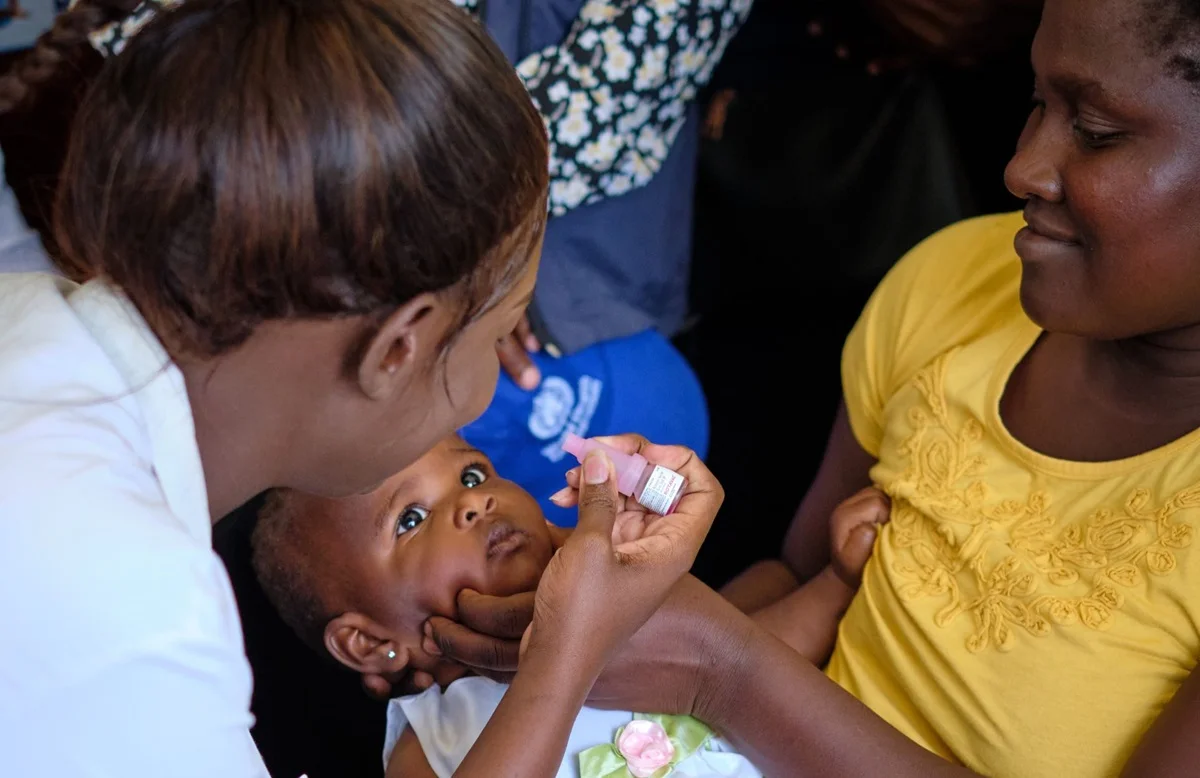
Immunization Agenda 2030 (IA2030) represents the global community's most ambitious commitment to vaccination, setting targets to reach 90 percent coverage for all recommended vaccines in every country, eliminate vaccine-preventable disease outbreaks, and ensure equitable access to new and underutilized vaccines by the end of the decade. This mid-term review, produced at the halfway point of the agenda, provides a comprehensive assessment of progress since 2020, an honest account of where the world is falling short, and an updated roadmap for accelerating action in the second half of the decade.
The review finds uneven progress. While vaccination coverage has largely recovered from the disruptions of the COVID-19 pandemic, significant gaps remain: 14.3 million children globally received no vaccines in 2024, the number of zero-dose children has grown relative to the 2019 baseline, and measles coverage remains well below the 95 percent threshold required to prevent outbreaks. The review highlights growing challenges including funding shortfalls particularly in the context of declining official development assistance rising vaccine misinformation, and the heightened vulnerability of immunization programs in conflict-affected and fragile settings.
The assessment identifies the systemic factors that separate countries achieving strong immunization coverage from those that are not, with particular attention to the role of primary healthcare integration, community engagement, domestic financing, and supply chain resilience. It presents evidence-based recommendations organized around the four strategic priorities of IA2030: immunization for the life course, immunization systems and sustainability, immunization in the context of health emergencies, and research and innovation.
With five years remaining, the mid-term review serves as a call to action for governments, donors, civil society, and global health partners to recalibrate commitments, close funding gaps, and redouble efforts to reach the children and communities most at risk of being left behind by inadequate vaccination coverage.