From Pregnancy to Infancy: Integrating Maternal and Infant Immunization for RSV (Roy K. Philip)

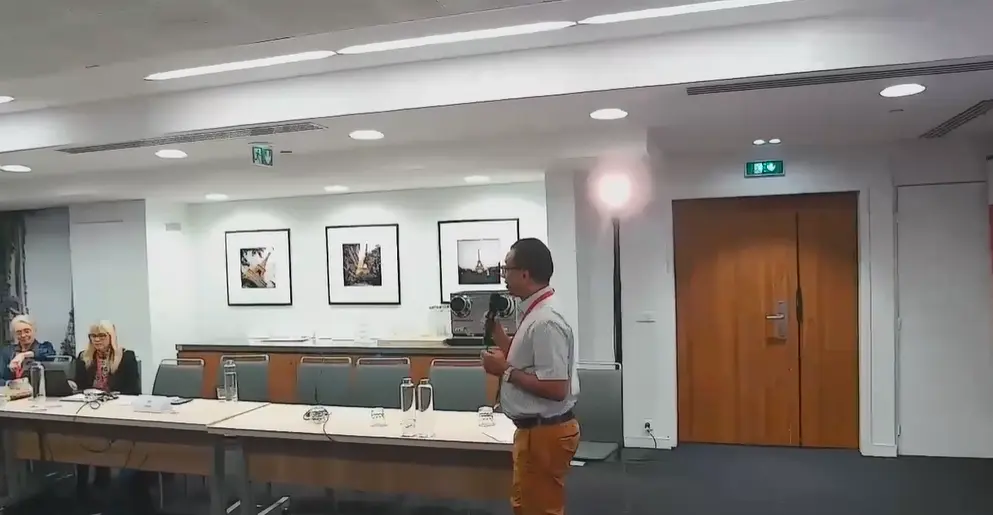
The presentation was delivered and recorded during the 10th Lifecourse Prevention Summit, Paris, December 2025.
Prof. Roy Philip, Adjunct Professor of Neonatology at the University of Limerick, examines how maternal and infant RSV immunization programs can work together, drawing on clinical experience, real-world data from Ireland, and a broader argument about global equity in access to prevention.
The briefing opens with a point that grounds everything that follows: before any formal immunization program existed, nature had already designed two. Transplacental transfer of antibodies and breastfeeding represent the original maternal immunization system, and exclusive breastfeeding remains, in his view, an underutilized foundation of infant protection that any RSV strategy should build on rather than ignore.
On maternal vaccination, the gap between stated willingness and actual uptake is a recurring theme. Studies show that around 75 to 89% of women express willingness to receive an RSV vaccine in pregnancy, yet real-world uptake figures consistently fall short, with significant variation among ethnic minority and vulnerable populations. The same pattern is seen with other pregnancy vaccines, and it underscores that acceptability and access are not the same thing.
The impact of Ireland's Pathfinder program, which introduced nirsevimab for newborns, is presented as a striking illustration of what high coverage can achieve. Regional uptake reached 90%, critical care transport of infants for respiratory conditions fell by 90% in the first season, and the displacement of elective pediatric surgeries caused by RSV-related bed pressure decreased substantially. These are consequences of RSV burden that rarely appear in standard cost-effectiveness analyses but represent a real and significant strain on health systems.
On integration, Luxembourg's combined maternal and infant strategy is cited as the most instructive model, raising coverage from 81% to 92.5% and reducing RSV burden by an additional 44.5%. The broader argument, however, is that integration cannot be considered only within a European context. With 97% of RSV mortality occurring in low and middle-income countries, any strategy that focuses solely on reducing burden in high-income settings will widen rather than close the global gap.
.webp)