
Infectious Diseases Prevention

Why Infectious Disease Prevention Matters
Infectious diseases remain a defining challenge for health systems worldwide, from seasonal influenza to emerging pandemics. Prevention is the most effective strategy to reduce morbidity and mortality while protecting health across every stage of life.
A LifeCourse approach to infectious disease prevention supports timely vaccination, early detection and system preparedness. It recognizes that risk, exposure, and outcomes vary over time, requiring coordinated strategies that respond to both routine and emerging threats.
From Prevention Strategy to Real-World Impact
Effective strategies for infectious disease prevention are well established. However, translating these strategies into consistent, population-level impact remains a challenge.
In practice, prevention is often fragmented across programs, population groups, and stages of life. Access to interventions such as vaccination, early detection, and timely care is not always consistent, and gaps in coverage limit overall effectiveness.
In many settings, prevention approaches are still designed around specific risk groups rather than entire populations, leaving a substantial proportion of those at risk unprotected. At the same time, awareness, trust, and system capacity influence whether available interventions are accepted and effectively delivered.
As a result, the impact of prevention strategies varies widely, and avoidable infections, hospitalizations, and system pressures persist despite the availability of effective tools.
From Evidence to Implementation
Addressing these challenges requires moving from isolated prevention measures toward coordinated, system-level strategies.
This Learning Zone brings together evidence and policy-relevant insights on infectious disease prevention, with a focus on:
- The evolving landscape of vaccination across different age groups
- Strategies to address antimicrobial resistance
- Early detection, surveillance and outbreak preparedness
- Public health interventions to prevent and control disease transmission
Drawing from scientific evidence and science-policy dialogue, this Learning Zone explores how prevention can be integrated across life stages and health systems. It highlights the importance of coverage, coordination, and system design in ensuring that prevention strategies translate into measurable reductions in disease burden and stronger population-level resilience.
Resource Kits
The Learning Zone includes curated Resource Kits—collections of expert materials focused on key topics within the theme. These kits provide practical tools, insights, and evidence to support your work in advancing health prevention across the life course.
Respiratory Syncytial Virus (RSV) is a leading cause of respiratory infections in infants, older adults, and individuals with underlying health conditions. Despite its significant disease burden, RSV prevention strategies remain underutilized in many healthcare settings.
This Resource Kit provides essential information on RSV epidemiology, prevention, and emerging immunization options. Explore best practices for early detection, risk assessment, and public health strategies to reduce RSV-related hospitalizations and severe outcomes.
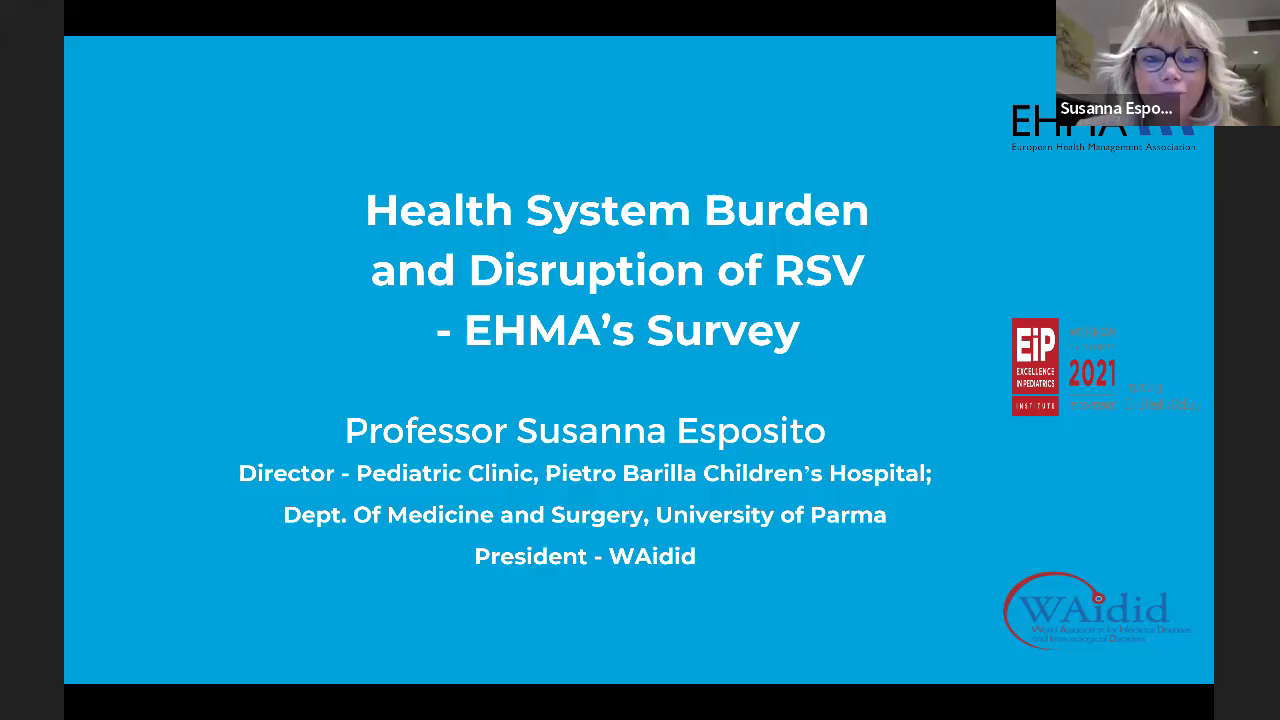


Meningococcal disease is a rare but severe bacterial infection that can lead to life-threatening complications such as meningitis and septicemia. Rapid diagnosis and prevention through vaccination are key to reducing its impact.
This Resource Kit provides comprehensive resources on disease transmission, available vaccines, and targeted immunization strategies for high-risk groups. Learn about the latest developments in meningococcal disease prevention and how to strengthen public health efforts in different settings.


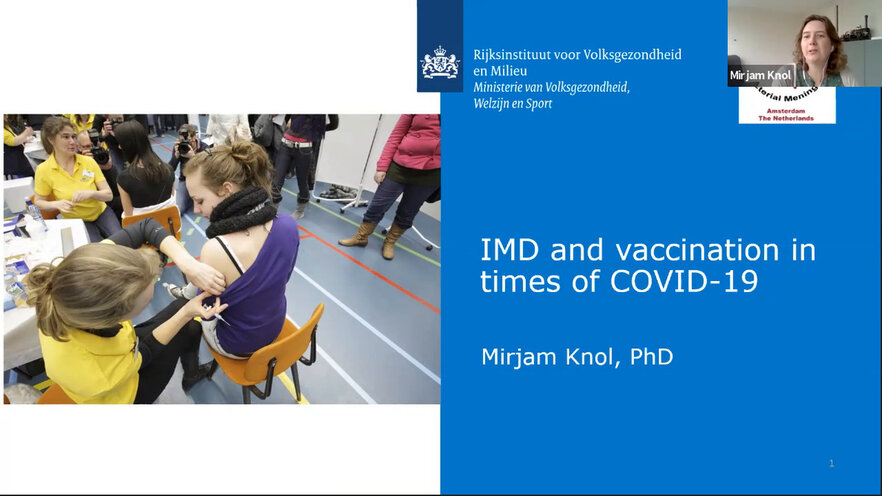


Influenza continues to be a major public health concern, with annual outbreaks leading to significant morbidity and mortality worldwide. Vaccination remains the most effective prevention tool, yet challenges such as vaccine hesitancy, evolving viral strains, and suboptimal coverage persist.
This Resource Kit offers healthcare professionals and policymakers insights into seasonal influenza trends, vaccination strategies, and approaches to improve immunization uptake across all age groups.


